Exploring the Timeless Appeal of Mahjong
Origins and Evolution of Mahjong
Mahjong, a game rooted deeply in the rich cultural fabric of East Asia, has captured the fascination of players worldwide. This traditional game, believed to have originated in China during the Qing dynasty, has evolved into various forms, each with its unique set of rules and regional variations. The intricate play style of Mahjong combines skill, strategy, and calculation, offering a complex yet incredibly engaging gaming experience.
The Structure of Mahjong
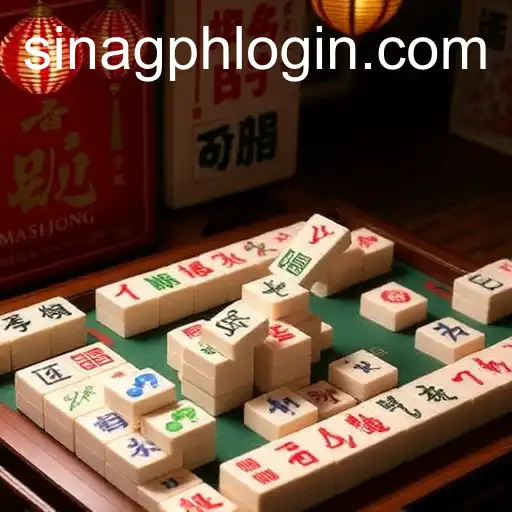
At its core, Mahjong is played with a set of 144 tiles, although the number may vary depending on regional versions. These tiles, beautifully engraved with Chinese characters and symbols, are categorized into suits, honors, and bonus tiles. Players, usually four in number, aim to complete a winning hand by drawing and discarding tiles, similar to the mechanics of the card game rummy. This blend of chance and strategic decision-making is what makes Mahjong irresistibly engaging.
The Objective of Mahjong
The primary objective is to form one of many possible standardized winning hands. A typical hand is composed of four sets and a pair, with sets being sequences or triplets of tiles from the same suit. The ability to memorize tiles and predict possible future outcomes sets the distinct challenge of Mahjong, rewarding those with sharp concentration and strategic foresight.
Mahjong's Cultural Impact
Mahjong's cultural significance extends beyond its gameplay. It serves as a social vehicle, fostering interactions across generations and community lines. In places like Hong Kong, Taiwan, and mainland China, Mahjong is not just a game; it's woven into the social and cultural tapestry. New Year's celebrations, weddings, and family gatherings often feature Mahjong as a means to strengthen ties and preserve cultural traditions. Moreover, Mahjong parlors serve as bustling hubs of social interaction, a testament to its enduring popularity.
Mahjong in the Western World
The Western embrace of Mahjong can largely be attributed to the game’s introduction in the early 20th century. Its exotic origin piqued the curiosity of many, leading to the development of Westernized versions, such as the American Mahjong. This variant, which often includes unique scoring rules and additional Joker tiles, quickly gained traction, particularly among American Jewish communities. Today, Mahjong enjoys a renaissance in the West, with clubs and online platforms proliferating, bridging players from diverse backgrounds.
Technological Innovations: Mahjong in the Digital Age
The digital revolution has not spared Mahjong. Online versions of the game have surged in popularity, thanks to platforms that connect players globally. These digital formats offer traditional Mahjong and innovative takes, adapting the game for individual play against computer-generated opponents or real-time competitions. Such accessibility has introduced Mahjong to a new generation, ensuring its relevance in an ever-evolving gaming landscape.
Apps and Online Communities
The rise of mobile apps has also facilitated the widespread popularity of Mahjong. Users can play from anywhere at any time, often engaging with global communities that share this time-honored passion. Enthusiasts can also partake in online forums and discussion groups, delving deeper into strategies and sharing insights about their experiences.
The Global Impact of Mahjong Tournaments
Mahjong has transcended its traditional roots to become a competitive sport on the world stage. Major international tournaments attract players from all corners of the globe. These competitions showcase not only skill but also cultural exchange, with players bringing their local versions and interpretations of the game. Such events highlight how Mahjong acts as a universal language of strategy and camaraderie.
The Importance of Preserving Mahjong's Heritage
Despite its modernization and global reach, preserving Mahjong’s heritage remains critical. Efforts to document and maintain traditional rules and styles are vital in keeping cultural authenticity alive. As Mahjong continues to captivate players worldwide, it is crucial to honor its origins and the historical context that shaped its development.
Conclusion
Sinagph, representing the spirit of Mahjong, embodies the vibrancy, community, and cultural heritage that the game is known for across the globe. As Mahjong remains a cherished tradition with a growing global footprint, it stands as a testament to its enduring appeal and cultural significance.